Skip to content

Secure IT

Stay Secure. Stay Informed.

Primary Menu
  • Home
  • Sources
    • Krebs On Security
    • Security Week
    • The Hacker News
    • Schneier On Security
  • Home
  • The Hacker News
  • SonicWall NetExtender Trojan and ConnectWise Exploits Used in Remote Access Attacks
  • The Hacker News

SonicWall NetExtender Trojan and ConnectWise Exploits Used in Remote Access Attacks

[email protected] The Hacker News Published: June 25, 2025 | Updated: June 25, 2025 3 min read
0 views

Jun 25, 2025Ravie LakshmananVPN Security / Malware

SonicWall NetExtender Trojan and ConnectWise Exploits

Unknown threat actors have been distributing a trojanized version of SonicWall’s SSL VPN NetExtender application to steal credentials from unsuspecting users who may have installed it.

“NetExtender enables remote users to securely connect and run applications on the company network,” SonicWall researcher Sravan Ganachari said. “Users can upload and download files, access network drives, and use other resources as if they were on the local network.”

The malicious payload delivered via the rogue VPN software has been codenamed SilentRoute by Microsoft, which detected the campaign along with the network security company.

SonicWall said the malware-laced NetExtender impersonates the latest version of the software (10.3.2.27) and has been found to be distributed via a fake website that has since been taken down. The installer is digitally signed by CITYLIGHT MEDIA PRIVATE LIMITED.”

Cybersecurity

This suggests that the campaign is targeting users searching for NetExtender on search engines like Google or Bing, and tricking them into installing it through spoofed sites propagated via known techniques like spear-phishing, search engine optimization (SEO) poisoning, malvertising, or social media posts.

Two different components of the installer have been modified to facilitate the exfiltration of the configuration information to a remote server under the attacker’s control.

These include “NeService.exe” and “NetExtender.exe,” which have been altered to bypass the validation of digital certificates various NetExtender components and continue execution regardless of the validation results and exfiltrate the information to 132.196.198[.]163 over port 8080.

“The threat actor added code in the installed binaries of the fake NetExtender so that information related to VPN configuration is stolen and sent to a remote server,” Ganachari said.

“Once the VPN configuration details are entered and the “Connect” button is clicked, the malicious code performs its own validation before sending the data to the remote server. Stolen configuration information includes the username, password, domain, and more.”

Threat Actors Abuse ConnectWise Authenticode Signatures

The development comes as G DATA detailed a threat activity cluster dubbed EvilConwi that involves bad actors abusing ConnectWise to embed malicious code using a technique called authenticode stuffing without invalidating the digital signature.

The German cybersecurity company said it has observed a spike in attacks using this technique since March 2025. The infection chains primarily leverage phishing emails as an initial access vector or through bogus sites advertised as artificial intelligence (AI) tools on Facebook.

Cybersecurity

These email messages contain a OneDrive link that redirects recipients to a Canva page with a “View PDF” button, which results in the surreptitious download and execution of a ConnectWise installer.

The attacks work by implanting malicious configurations in unauthenticated attributes within the Authenticode signature to serve a fake Windows update screen and prevent users from shutting down their systems, as well as including information about the external URL to which the remote connection should be established for persistent access.
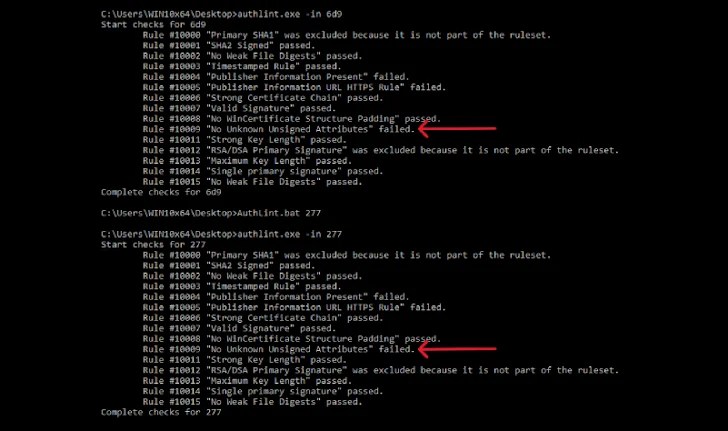
What makes EvilConwi notable is that it offers malicious actors a cover for nefarious operations by conducting them using a trusted, legitimate, and maybe elevated system or software process, thereby allowing them to fly under the radar.

“By modifying these settings, threat actors create their own remote access malware that pretends to be a different software like an AI-to-image converter by Google Chrome,” security researcher Karsten Hahn said. “They commonly add fake Windows update images and messages too, so that the user does not turn off the system while threat actors remotely connect to them.”

Found this article interesting? Follow us on Twitter  and LinkedIn to read more exclusive content we post.

About The Author

[email protected] The Hacker News

See author's posts

Original post here

What do you feel about this?

  • The Hacker News

Post navigation

Previous: North Korea-linked Supply Chain Attack Targets Developers with 35 Malicious npm Packages
Next: Beware the Hidden Risk in Your Entra Environment

Author's Other Posts

Attackers Hijack MikroTik Routers Through Internet-Exposed SSH Without Authentication micro.jpg

Attackers Hijack MikroTik Routers Through Internet-Exposed SSH Without Authentication

September 6, 2026 0 0
Four REVSTEALER-Linked Modules Disable Windows Update and Defender to Run a Crypto Miner rev.jpg

Four REVSTEALER-Linked Modules Disable Windows Update and Defender to Run a Crypto Miner

September 6, 2026 0 0
Unpatched Magento and Adobe Commerce Zero-Day Exploited to Backdoor Online Stores adobe-exploit.jpg

Unpatched Magento and Adobe Commerce Zero-Day Exploited to Backdoor Online Stores

September 5, 2026 0 0
Attackers Breached JetBrains Cadence via Unpatched TeamCity, Extracting AWS Credentials jet.jpg

Attackers Breached JetBrains Cadence via Unpatched TeamCity, Extracting AWS Credentials

September 5, 2026 0 0

Related Stories

micro.jpg
  • The Hacker News

Attackers Hijack MikroTik Routers Through Internet-Exposed SSH Without Authentication

[email protected] The Hacker News September 6, 2026 0 0
rev.jpg
  • The Hacker News

Four REVSTEALER-Linked Modules Disable Windows Update and Defender to Run a Crypto Miner

[email protected] The Hacker News September 6, 2026 0 0
adobe-exploit.jpg
  • The Hacker News

Unpatched Magento and Adobe Commerce Zero-Day Exploited to Backdoor Online Stores

[email protected] The Hacker News September 5, 2026 0 0
jet.jpg
  • The Hacker News

Attackers Breached JetBrains Cadence via Unpatched TeamCity, Extracting AWS Credentials

[email protected] The Hacker News September 5, 2026 0 0
vmware-host.jpg
  • The Hacker News

Critical VMware Workstation and Fusion Flaw Lets VM Admins Execute Host Code

[email protected] The Hacker News September 5, 2026 0 0
trezor.jpg
  • The Hacker News

Trezor Says ShipMonk Breach Exposed 67,000 U.S. Customers’ Data It Said Was Deleted

[email protected] The Hacker News September 5, 2026 0 0

Trending Now

Attackers Hijack MikroTik Routers Through Internet-Exposed SSH Without Authentication micro.jpg 1

Attackers Hijack MikroTik Routers Through Internet-Exposed SSH Without Authentication

September 6, 2026 0 0
Four REVSTEALER-Linked Modules Disable Windows Update and Defender to Run a Crypto Miner rev.jpg 2

Four REVSTEALER-Linked Modules Disable Windows Update and Defender to Run a Crypto Miner

September 6, 2026 0 0
Unpatched Magento and Adobe Commerce Zero-Day Exploited to Backdoor Online Stores adobe-exploit.jpg 3

Unpatched Magento and Adobe Commerce Zero-Day Exploited to Backdoor Online Stores

September 5, 2026 0 0
Attackers Breached JetBrains Cadence via Unpatched TeamCity, Extracting AWS Credentials jet.jpg 4

Attackers Breached JetBrains Cadence via Unpatched TeamCity, Extracting AWS Credentials

September 5, 2026 0 0

Connect with Us

Social menu is not set. You need to create menu and assign it to Social Menu on Menu Settings.

Trending News

Attackers Hijack MikroTik Routers Through Internet-Exposed SSH Without Authentication micro.jpg 1
  • The Hacker News

Attackers Hijack MikroTik Routers Through Internet-Exposed SSH Without Authentication

September 6, 2026 0 0
Four REVSTEALER-Linked Modules Disable Windows Update and Defender to Run a Crypto Miner rev.jpg 2
  • The Hacker News

Four REVSTEALER-Linked Modules Disable Windows Update and Defender to Run a Crypto Miner

September 6, 2026 0 0
Unpatched Magento and Adobe Commerce Zero-Day Exploited to Backdoor Online Stores adobe-exploit.jpg 3
  • The Hacker News

Unpatched Magento and Adobe Commerce Zero-Day Exploited to Backdoor Online Stores

September 5, 2026 0 0
Attackers Breached JetBrains Cadence via Unpatched TeamCity, Extracting AWS Credentials jet.jpg 4
  • The Hacker News

Attackers Breached JetBrains Cadence via Unpatched TeamCity, Extracting AWS Credentials

September 5, 2026 0 0
Critical VMware Workstation and Fusion Flaw Lets VM Admins Execute Host Code vmware-host.jpg 5
  • The Hacker News

Critical VMware Workstation and Fusion Flaw Lets VM Admins Execute Host Code

September 5, 2026 0 0
Trezor Says ShipMonk Breach Exposed 67,000 U.S. Customers’ Data It Said Was Deleted trezor.jpg 6
  • The Hacker News

Trezor Says ShipMonk Breach Exposed 67,000 U.S. Customers’ Data It Said Was Deleted

September 5, 2026 0 0
Thousands of OpenAI Agents Quietly Turned an Abandoned Wiki Into Their Coordination Channel agents-openai.jpg 7
  • The Hacker News

Thousands of OpenAI Agents Quietly Turned an Abandoned Wiki Into Their Coordination Channel

September 5, 2026 0 0

You may have missed

micro.jpg
  • The Hacker News

Attackers Hijack MikroTik Routers Through Internet-Exposed SSH Without Authentication

[email protected] The Hacker News September 6, 2026 0 0
rev.jpg
  • The Hacker News

Four REVSTEALER-Linked Modules Disable Windows Update and Defender to Run a Crypto Miner

[email protected] The Hacker News September 6, 2026 0 0
adobe-exploit.jpg
  • The Hacker News

Unpatched Magento and Adobe Commerce Zero-Day Exploited to Backdoor Online Stores

[email protected] The Hacker News September 5, 2026 0 0
jet.jpg
  • The Hacker News

Attackers Breached JetBrains Cadence via Unpatched TeamCity, Extracting AWS Credentials

[email protected] The Hacker News September 5, 2026 0 0
Copyright © 2026 All rights reserved. | MoreNews by AF themes.